Across Asia
Early Pāli Canon: Anotatta, Seven Lakes, and the Living Himavanta
A readable guide to the Vinaya Mahāvagga, Aṅguttara Nikāya IV, and Apadāna passages that form the project’s earliest studied Pāli baseline.
Across Asia
Himavanta traveled through Pāli stories, Sanskrit and Chinese texts, Khmer architecture, Thai cosmography, Tibetan and Burmese traditions, Sri Lankan painting, and Japanese maps. Every place added something of its own.
Travel through the centuries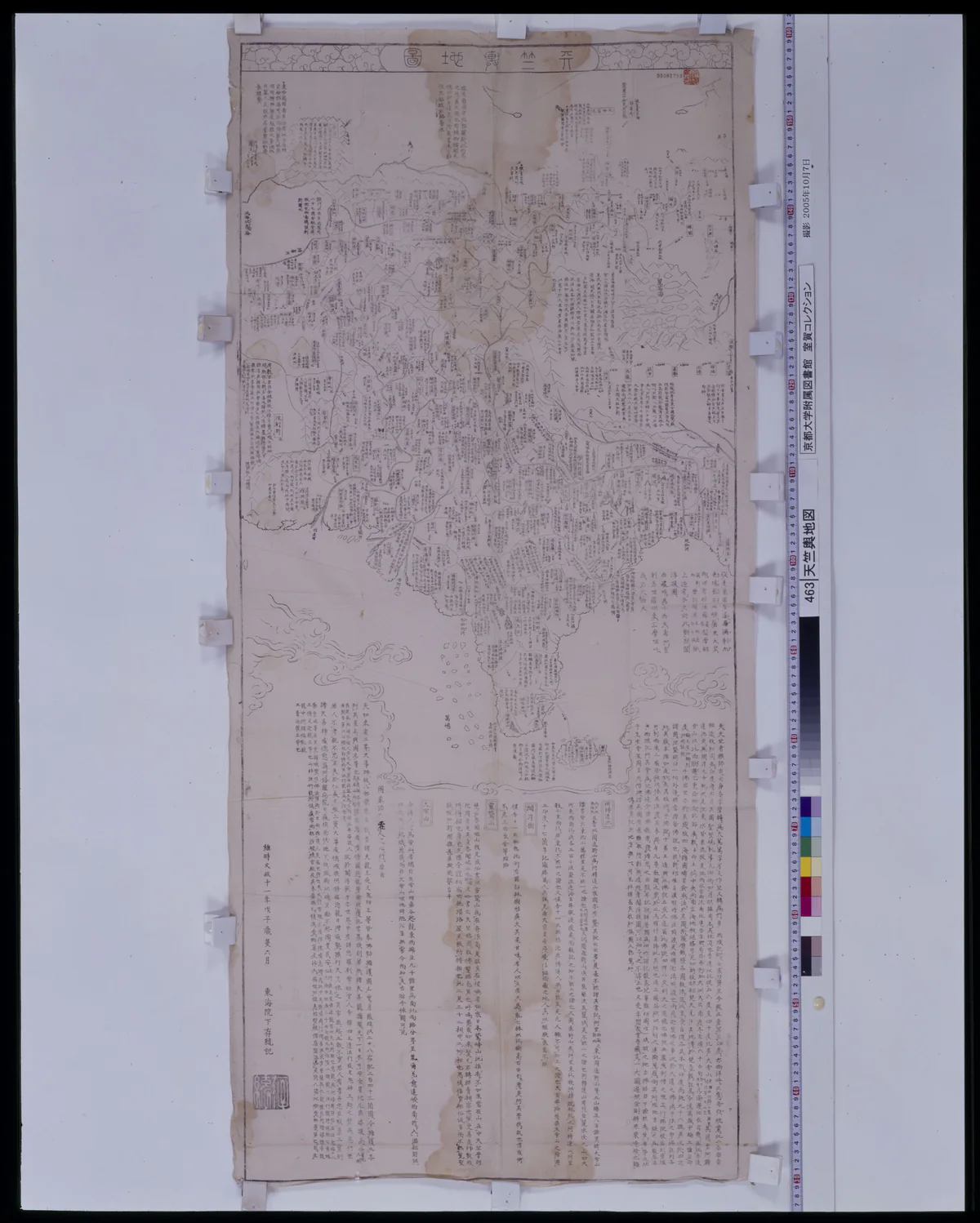
Choose a time or place and discover how mountains, waters, creatures, and routes were remembered there.
Across Asia
A readable guide to the Vinaya Mahāvagga, Aṅguttara Nikāya IV, and Apadāna passages that form the project’s earliest studied Pāli baseline.
Across Asia
The missing bridge from early lake lists and chronicle journeys to the complete seven-lake, five-peak, four-mouth river system.
Across Asia
Meet Anotatta water, Himavanta, and Chaddanta in the received Pāli commentary before the landscape became a connected system.
Across Asia
Explore seven lakes, elephant kingdoms, rivers, hermitages, golden birds, and many distinct forest landscapes.
Across Asia
Compare three precise lake worlds of mountains, rivers, dimensions, lotuses, nāga kings, and difficult approaches.
Across Asia
See the lake transformed through Chinese translation, directional systems, precious materials, Kunlun, and travel writing.
Across Asia
Follow the richest connected account of Anotatta’s peaks, lakes, animal mouths, river stages, and five great branches.
Across Asia
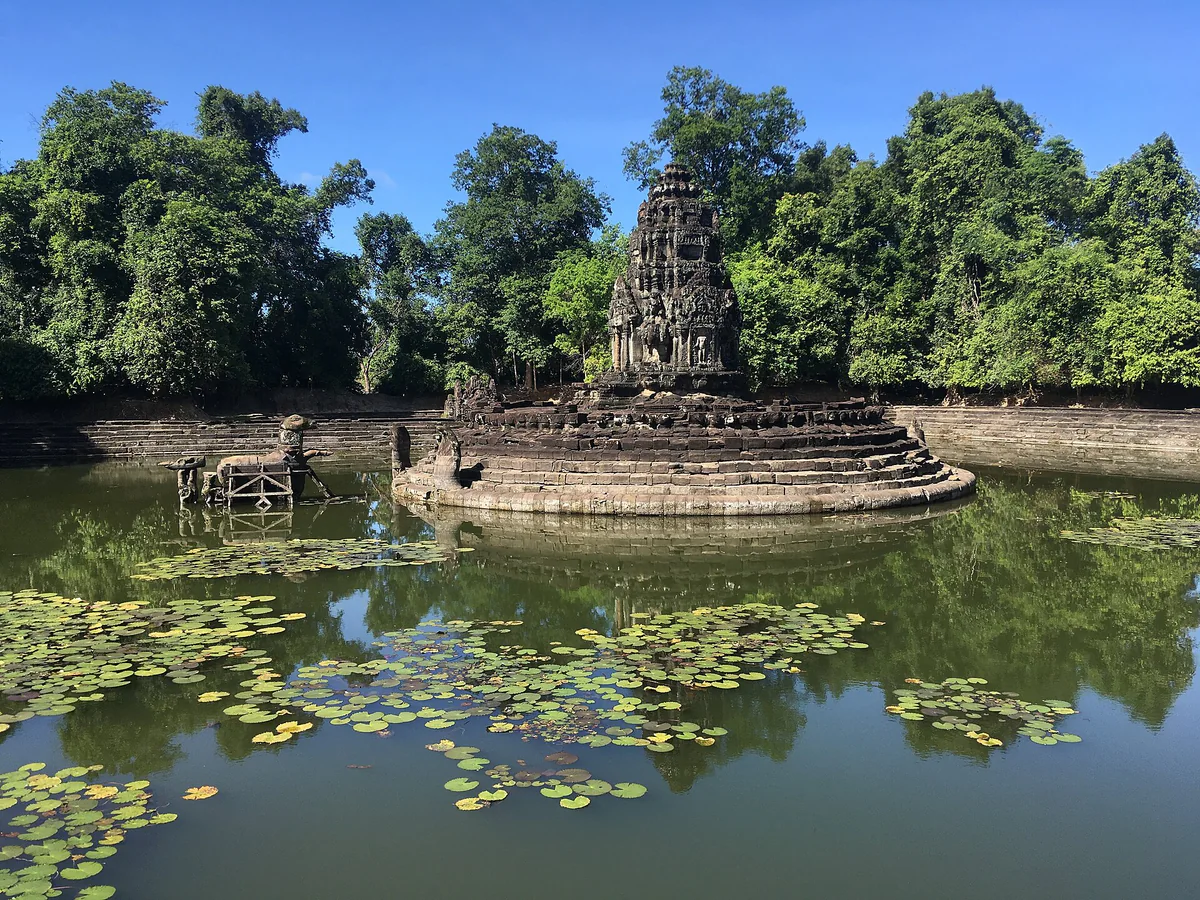
Discover how twelfth-century Angkor turned purification, healing water, islands, pools, and channels into architecture.
Across Asia
Enter a layered Thai world of peaks, lakes, mouths, routes, Chaddanta, creatures, and moral cosmology.
Across Asia
Every entry in a published Bangkok creature register, preserving its printed name, short form description, and conventional colour.
Across Asia
A chronological guide to stationary Meru populations, monumental paired processions, atelier invention, modern royal-crematorium landscapes, and Northern Thai Nok Hatsadiling rites.
Across Asia
Follow Anavatapta through Tibetan translation, pilgrimage, Manasarovar, Kailash, and centuries of debate.
Across Asia
Explore folding books, palm-leaf manuscripts, narrative landscapes, plans, sections, and continent-scale water worlds.
Across Asia
Follow six maps from 1364 to the early Meiji period as sacred geography meets changing cartographic knowledge.
Across Asia
Visit painted Himalayan water worlds at Dambulla, Kottimbulvala, and Mulkirigala in eighteenth-century Sri Lanka.
Across Asia
How the Dīpavaṃsa and Mahāvaṃsa turn Anotatta, Chaddanta, and Himavanta into sources of royal water, food, textiles, elephants, relics, and sacred building material.
Across Asia
A close guide to the compendium’s vast Himavanta, seven lakes, five peaks, self-preparing Paccekabuddha residence, river machine, elephant kingdom, and cosmic destruction.
Across Asia
Follow the Anotatta water system, mountain hermitages, speaking birds, forest monks, elephants, and river journeys across seven classical Pāli commentaries.